SIM vs SRM vs VMS
Three acronyms, three different jobs
These three get used interchangeably in sales conversations and mean quite different things. Buying the wrong category is expensive, and the confusion is usually introduced by the vendors rather than the buyers.
Supplier information management collects and maintains supplier data, documents and compliance records. Supplier relationship management focuses on performance, segmentation and value from strategic suppliers. A vendor management system, in its common usage, manages contingent labour and staffing suppliers. They overlap at the edges but solve different problems, and the one you need depends on whether your difficulty is data, performance or contingent workforce.
Side by side
The clearest way to tell them apart is to ask what each one is trying to improve.
| SIM | SRM | VMS | |
|---|---|---|---|
| Full name | Supplier information management | Supplier relationship management | Vendor management system |
| Core job | Collect and maintain accurate supplier data, documents and compliance records | Manage performance, segmentation and value from key suppliers | Manage contingent labour, staffing suppliers and worker placement |
| Typical owner | Procurement operations, master data, compliance | Category managers, strategic sourcing | HR and talent acquisition, sometimes procurement |
| Success looks like | A supplier master that is complete, current and evidenced | Better performance and value from the suppliers that matter most | Contingent workers sourced, approved and paid correctly |
| Where it starts | Onboarding a supplier | After a supplier is already established | A requisition for a worker rather than for goods |
Three questions that usually settle it
Is your difficulty the data?
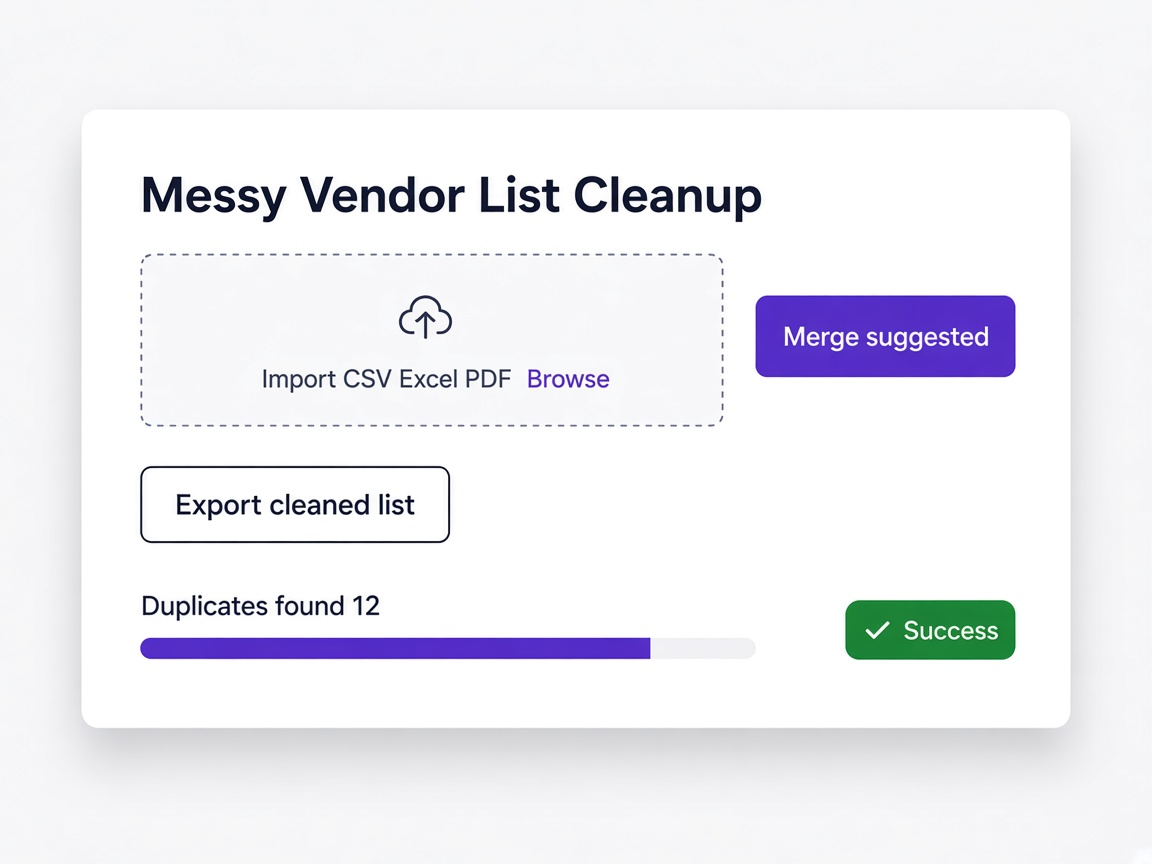
Duplicates, missing tax identifiers, expired certificates, no reliable answer to who your suppliers are. That is supplier information management, and it is where most teams actually are.
Is your difficulty performance?
You know who your suppliers are and can reach the records, but you cannot tell which are performing or where the value is. That is supplier relationship management.
Is your difficulty contingent labour?
Your problem involves workers, timesheets, rates and placements rather than goods or services. That is a vendor management system, and it is a genuinely different product category.
Are you being sold the wrong one?
A common pattern is buying SRM when the underlying supplier data is not yet reliable, which means the performance analytics sit on top of a master file nobody trusts.
Data first, performance second
SRM built on poor supplier data produces confident-looking analysis of an unreliable population.
| If you do this first | What happens |
|---|---|
| Buy SRM before fixing supplier data | Segmentation and scorecards run on a master file containing duplicates and gaps, so the analysis is precise about the wrong population |
| Fix supplier data first | Onboarding produces accurate records, and anything you build on top of them inherits that accuracy |
| Buy a VMS for a supplier data problem | You get contingent workforce management and still cannot answer basic questions about your goods and services suppliers |
Supplier information management, specifically onboarding
| Area | Covered |
|---|---|
| Supplier onboarding, documents and compliance records | Yes, this is the core of it |
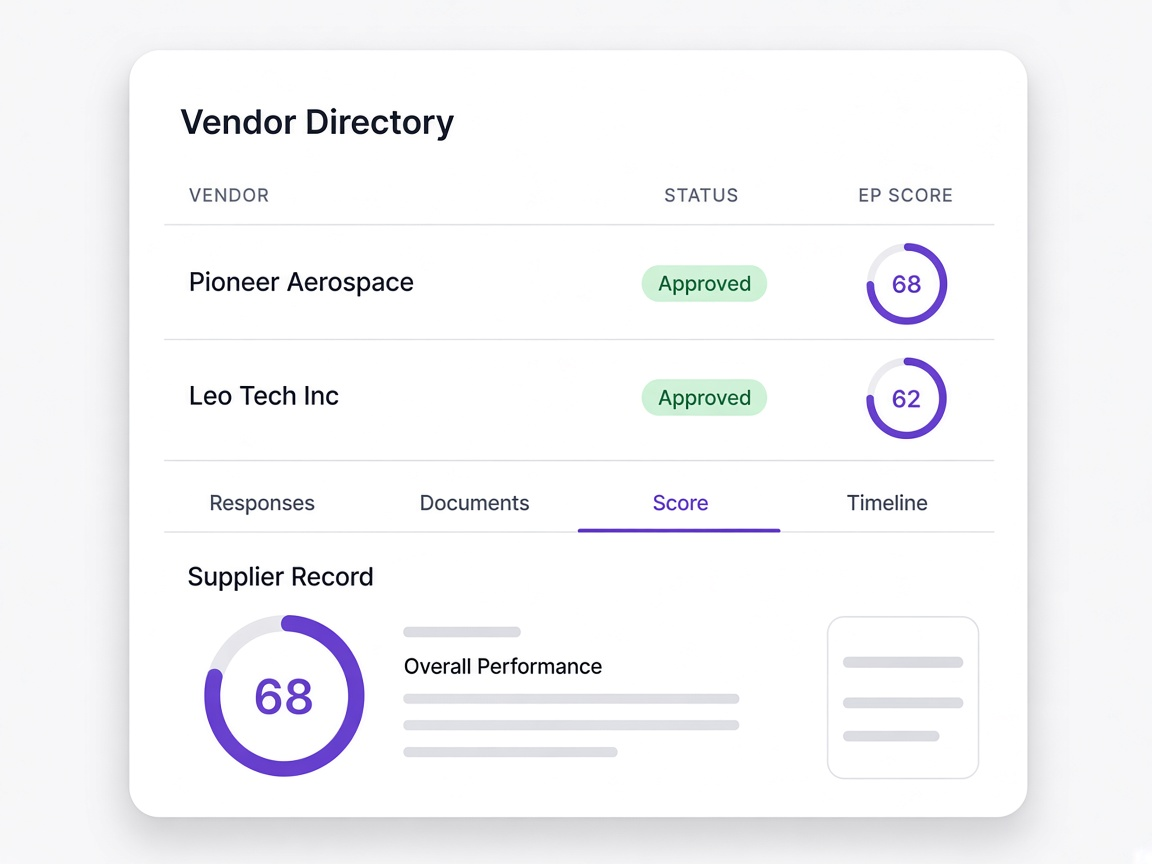
| Screening, qualification scoring and the supplier directory | Yes |
| Contract lifecycle, purchase orders and invoice matching | No, that is the eProcureAI platform |
| Contingent labour and worker placement | No, that is a vendor management system and a different category |
| Supplier performance scorecards and segmentation | No, that is supplier relationship management |